Why aluminum capsules are worth recycling
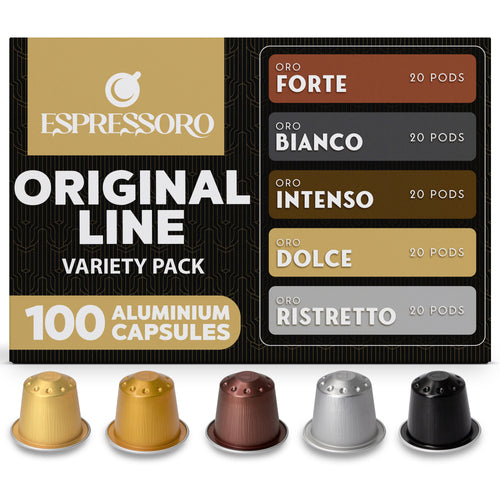
Aluminum is one of the most valuable materials in your recycling bin. It can be melted down and reused again and again without losing quality, and recycling it takes far less energy than producing new metal. That is one reason we pack Espressoro, Keriko and Capsucup Premium in aluminum capsules: the metal protects the coffee from oxygen and light, and it can have a second life once your espresso is done.
The catch is that a used capsule is not just aluminum. It still holds about 5 to 6 grams of wet coffee grounds, and many sorting facilities cannot separate the two. A few minutes of preparation makes the difference.
Step 1: Let the capsule cool
Capsules are very hot right after brewing. Leave them in a small container for a few minutes, or collect them over the day and deal with them all at once.
Step 2: Empty the grounds
- Peel back the foil lid with your fingers or the tip of a spoon.
- Tap out the grounds into a bowl or straight into your compost.
- Give the capsule a quick rinse if your local program asks for clean containers.
If you go through a lot of capsules, a small capsule opener or recycling tool speeds this up; several are sold online for a few dollars.
Step 3: Recycle the aluminum
- Check your local program first. Rules vary by city. Many curbside programs accept small aluminum items once they are empty and clean; others ask you to drop them at a recycling center.
- Collect capsules together. Small items can slip through sorting machines. Some programs suggest gathering empty capsules inside a larger aluminum can or a clean foil ball so they are captured.
- Look for a local scrap metal or recycling center. Most accept clean aluminum, and some even pay by weight for larger amounts.
Step 4: Put the grounds to work
Used coffee grounds are a great addition to compost and a gentle fertilizer for plants that like slightly acidic soil, such as tomatoes, roses and blueberries. Mixed in small amounts, they add organic matter to garden beds. Dried grounds also help absorb odors in the fridge.
What about plastic and compostable capsules?
Plastic capsules are harder to recycle because they are small and often made of mixed materials, so check what your local program accepts before putting them in the bin. Industrially compostable capsules belong in a commercial composting program, not in the recycling bin or a home compost pile.
A small habit with a big impact
Emptying a capsule takes seconds, and it turns a piece of waste into reusable aluminum and a handful of compost. Make it part of your coffee routine: brew, enjoy, empty, recycle.
Looking for aluminum capsules? Explore our aluminum capsule collection, with free US shipping on every order.